Latest Post

Gap Inc. Reports Mixed Q4 Results Amid Winter Storms

Severe winter storms impacted Gap Inc.’s holiday performance, causing store closures and weaker-than-expected results. The company reported earnings of 45 cents per share, below projections, while revenues matched estimates. Individual brands showed mixed results, with Old Navy and Gap performing well, but Athleta continued to struggle. Future forecasts align with analyst expectations.

Understanding Donor-Advised Funds: Control vs. Charitable Intent

Donor-advised funds are rapidly growing in American philanthropy but face scrutiny due to a lawsuit filed by Philip Peterson against WaterStone, managing his family’s $21 million fund. Peterson alleges limited control and communication issues regarding grant distributions. The case raises broader questions about donor control and transparency in these philanthropic vehicles.

AWS Data Centers Hit by Drone Strikes: Impact and Recovery

Amazon Web Services (AWS) reported damage to two data centers in the UAE and one in Bahrain due to drone strikes, disrupting services regionally. The attacks affected critical services like EC2 and S3, complicating restoration efforts. AWS advised customers to implement resilience planning amid ongoing Middle Eastern tensions that threaten infrastructure security.

Block Replaces Workforce with AI: A Major Turn in Tech Employment

Block, led by Jack Dorsey, will cut its workforce by 40% to adapt to AI advancements that alter operational structures. This strategic move, driven by a focus on productivity, sparked a 25% stock surge. While some analysts express concerns about long-term growth, Block’s restructuring marks a significant shift in workplace dynamics influenced by AI.

Dimon Defends JPMorgan Against Trump’s $5B Lawsuit

JPMorgan Chase CEO Jamie Dimon stated that President Trump’s $5 billion lawsuit against the bank lacks legal merit but acknowledged Trump’s frustration over account closures. Dimon explained that banks face regulatory pressures prompting them to sever relationships deemed high-risk, especially after incidents like the January 6 Capitol attack, blending politics, regulation, and corporate risk management.

Market Anxiety: The Shift to Options-Based ETFs

Investors are increasingly uneasy amid geopolitical tensions and market uncertainty, particularly in February, a challenging month for stocks historically. Rising energy costs and inflation pressures contribute to a stagnant S&P 500. Options-based exchange-traded funds have gained popularity among retail investors seeking income and risk management solutions, though they come with complexity and potential risks.

Geopolitical Tensions and Inflation Risks

President Trump’s claims of cooling inflation are challenged by renewed military tensions with Iran, causing instability in global oil markets. Rising crude prices raise concerns about inflation. The conflict’s duration will impact economic outcomes, as increased energy costs could exacerbate inflation or remain temporary, complicating the Federal Reserve’s decisions.

Versant Media: First Earnings Report as Public Company

Versant Media Group will report its first quarterly earnings as a standalone public company, following its spin-off from Comcast. With significant revenue tied to traditional pay TV, the company faces challenges from cord-cutting. Versant plans to transition towards digital offerings while maintaining valuable live programming. Investor sentiment remains cautious amid structural industry challenges.

Wealthy Family Offices Shift Investment Strategies for 2026

In the fourth quarter of 2025, America’s private investment offices made significant equity moves, including substantial investments in Rocket Companies and a stake increase in Manchester United by Omega Advisors. Other notable shifts included diversification into technology and clean energy, along with cautious cryptocurrency investments amidst volatility. Strategies varied, reflecting evolving market dynamics.

AI in National Security: Anthropic’s Ethical Standoff with the Pentagon

Anthropic’s CEO, Dario Amodei, emphasized ethical limits regarding AI use by the U.S. Department of Defense, rejecting unrestricted applications. Tensions escalated after the Pentagon issued a final offer amid the standoff. Anthropic seeks safeguards against autonomous weapons and surveillance, highlighting the ongoing debate on AI governance and military ethics.

CNBC’s 2025 Top Fintech Companies: Apply Now

Applications are open for CNBC’s fourth annual World’s Top Fintech Companies ranking, recognizing influential firms in the financial technology sector. This year’s ranking introduces a separate category for regtech, reflecting its growing importance. Despite funding declines, fintech investment remains strong, highlighting the sector’s resilience and ongoing innovation amid evolving challenges.

MP Materials Unveils $1.25B Magnet Campus in Texas

MP Materials will establish a $1.25 billion rare earth magnet manufacturing campus in Northlake, Texas, supporting U.S. supply of critical minerals. This facility, known as “10X,” aims to produce 7,000 metric tons annually, reducing reliance on imports. The project, creating 1,500 jobs, is critical for national security amid Chinese dominance in the sector.

Global Investment Trends: U.S. vs. Emerging Markets in 2025

Following a strong U.S. equity rally in 2024, global markets are now attracting investor attention, particularly in Europe and China. U.S. stocks lag behind, with modest gains compared to surging overseas indices. Investors are increasingly seeking opportunities in emerging markets, noting that diversification beyond the U.S. is becoming strategically important once more.

Trump’s Trade Strategy Post-Supreme Court Ruling

President Trump defended his tariff-driven strategy in his State of the Union address, despite a Supreme Court ruling limiting his authority under the International Emergency Economic Powers Act. The administration adapted by implementing a new 10% universal tariff. This shift has created uncertainty in global markets and affected ongoing trade negotiations.

CoreWeave’s After-Hours Dip: Revenue Guidance Falls Short

CoreWeave shares fell 8% post-revenue guidance below analyst expectations despite a 110% year-over-year revenue increase. The company reported a wider-than-expected fourth-quarter loss but anticipates strong growth for 2026. Supply issues persist, notably with Nvidia chips. CoreWeave aims aggressive capacity expansions and increased capital expenditure, reflecting rising AI demand.

Family Offices: The Shift to Direct Co-Investing

In recent years, ultra-wealthy family offices have increasingly favored direct investments in private companies over traditional private equity funds. Many now adopt a hybrid approach, co-investing alongside funds to balance independence with practicality. While this strategy offers reduced fees and quicker capital deployment, families face limitations in governance and decision-making, necessitating careful management of opportunities.

Alphabet’s Q4 Earnings Boost: Cloud Division Surges 48%

Alphabet’s fourth-quarter results surpassed Wall Street expectations, driven by a 48% increase in cloud sales. However, plans for significant capital expenditures led to a 3% drop in shares. The AI sector faced challenges, with AMD’s stock falling 17.3%. Mixed market performance continued, while geopolitical tensions and economic strategies unfolded globally.

Jenny Just: How Poker Shaped Her Success in Fintech

Jenny Just, a successful options trader and fintech entrepreneur, reflects on her career’s setbacks due to a late introduction to poker. She advocates teaching the game to young women to enhance decision-making and risk assessment skills. Just believes early poker training can reshape women’s career paths and boost confidence in high-stakes environments.

Bitcoin Nears $70,000: Market Analysis & Predictions

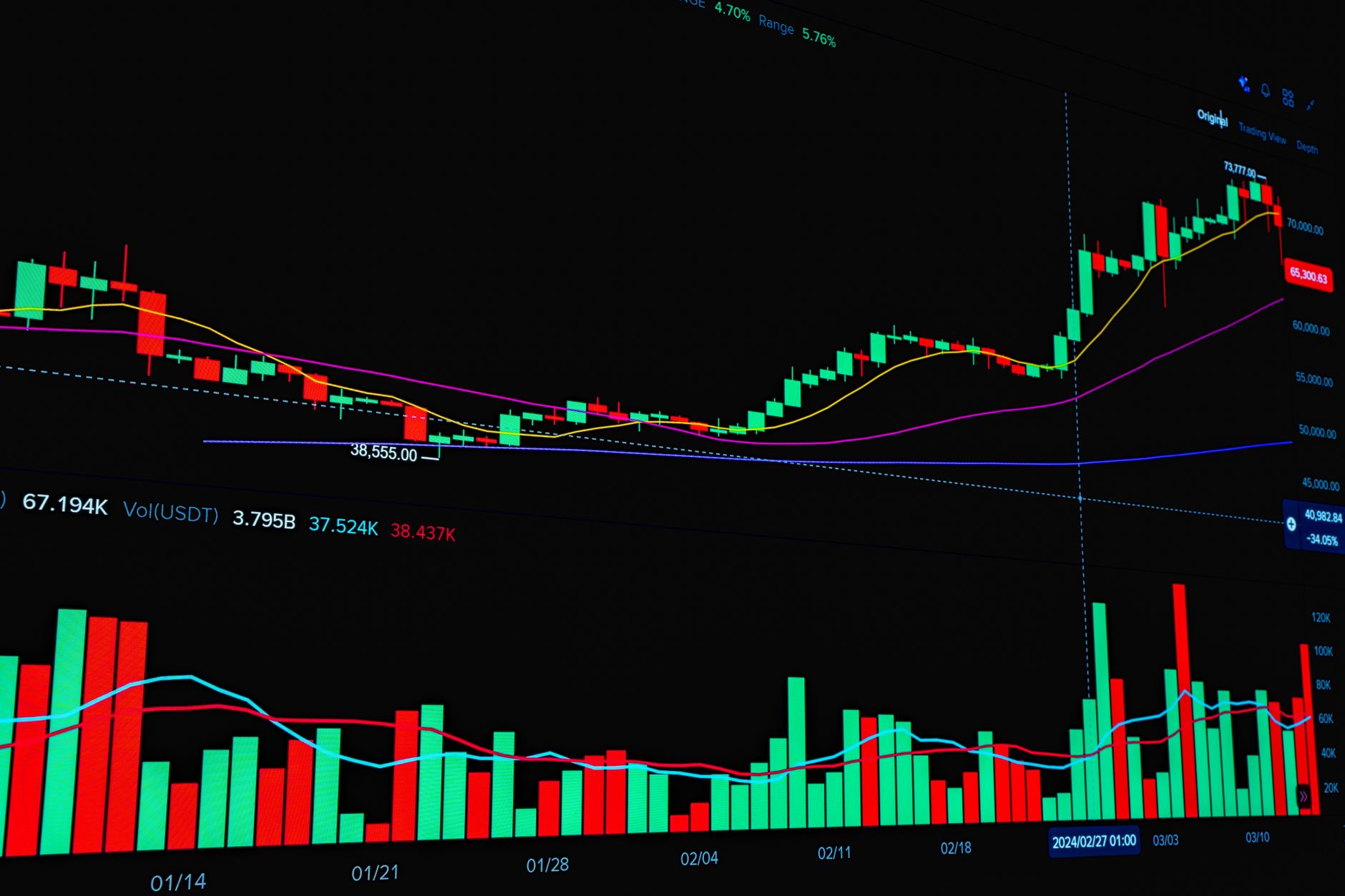
Bitcoin experienced a significant decline, nearing $72,000, reflecting a 5% drop within two days. Analysts cite geopolitical uncertainties and evolving economic expectations as key factors. Institutional sell-offs have exacerbated the situation, leading to over $12 billion in outflows from exchange-traded funds. This downturn affects the broader cryptocurrency market.

Is It Time to Invest in International Stocks?

Over the past decade, U.S. investors faced disappointing returns from international equities. However, since late 2024, international stocks have begun outperforming U.S. markets, prompting a reevaluation of investment strategies. Factors like currency changes, improving fundamentals in global markets, and the performance of emerging economies are encouraging a shift towards diversified global portfolios.

January Jobs Report Delay: What You Need to Know

The U.S. Bureau of Labor Statistics has rescheduled the January employment report to February 11, following a government shutdown. The Job Openings and Labor Turnover Survey will now be released on February 9. Other economic indicators, including the consumer price index, are also delayed. Economists expect a rise in nonfarm payrolls by 60,000 jobs.

E.l.f. Beauty Beats Expectations: Q3 Performance Overview

E.l.f. Beauty exceeded third-quarter expectations, reporting adjusted earnings of $1.24 per share and revenues of $490 million, leading to a 15% surge in shares. The acquisition of Rhode significantly boosted sales, prompting an increase in the full-year revenue forecast by $42-50 million, reflecting strong international growth and market share gains.

Family Offices Tackle Inflation: Shifting Investment Strategies

Family offices are adjusting investment strategies in response to anticipated higher inflation and interest rates. A survey revealed that 64% view interest rates as a significant risk, while 61% cite inflation. Many are shifting toward real estate and alternative investments, with increased interest in AI. Most remain cautious about gold and hold substantial cash reserves.

US-India Trade Deal: Impacts on Global Economy

The U.S. and India have formed a new trade agreement, reducing tariffs on Indian goods and promoting American purchases. Despite improved relations, Disney faces overseas attendance issues. U.S. stock markets rose, while cryptocurrency struggles continue. Consumer sentiment diverges globally, with contrasting concerns about inflation in the U.S. and deflation in China.

Why Singapore Is a Strategic Investment Hub for Global Investors

Anton Ruddenklau, KPMG’s financial services head in Singapore, notes the city-state’s smooth business operations and strong nation-building mindset that supports economic growth. Despite its small market size, Singapore attracts investment due to its strategic location and stability. Analysts highlight its appeal as a safe haven with evolving opportunities, especially in fintech and equities.

Kevin Warsh’s Fed Nomination: A Shift in Monetary Policy

Kevin Warsh, originally on the Federal Reserve Board from 2006 to 2011, has been nominated by President Trump to return under different conditions. Warsh is known for his critique of the Fed’s post-crisis strategy and may adopt a more hawkish stance on inflation. His confirmation faces potential Senate challenges but is anticipated to garner bipartisan support.

International Stocks Surge: A New Era for U.S. Investors

International stocks are experiencing a resurgence, signaling a shift in investor behavior following a decade of underperformance compared to U.S. markets. Enhanced global economic conditions, favorable currency trends, and improved corporate governance in regions like Japan and Europe are driving renewed interest. Investors are increasingly reallocating funds to capture growth opportunities abroad.

Palantir CEO Advocates for Technology in Immigration Reform

Palantir CEO Alex Karp asserted that critics of U.S. Immigration and Customs Enforcement should support broader use of his company’s technology, citing its adherence to Fourth Amendment protections. His comments arise amid rising protests against ICE in Minneapolis. Karp emphasizes his software’s potential to enhance efficiency while safeguarding civil liberties.

Why Family Offices Prefer Co-Investment Strategies

In recent years, ultra-wealthy family offices have shifted toward direct investments in private companies, seeking transparency and control. Many adopt a hybrid model, co-investing alongside private equity funds to leverage expertise while avoiding high fees. Despite some limitations, this strategy allows families to navigate private markets more effectively and efficiently.

Why Investors Choose Singapore: A Strategic Overview

KPMG’s Anton Ruddenklau highlights Singapore’s strong business culture and supportive government role as key advantages for investors. Despite its small market, its strategic location and regulatory framework attract international capital. Singapore is evolving from a safe haven to a hub for innovation, offering stable investment opportunities in fintech and real estate.

Software Stocks Plunge Amid AI Disruption Fears

Software stocks faced a steep decline, marking a bear market as fears over AI disruption intensified. The iShares Expanded Tech-Software Sector ETF fell 5.4%, leading to significant losses across the sector. Companies like ServiceNow and Microsoft reported disappointing responses, highlighting skepticism towards traditional software amid rapid AI advancements. Concerns grow over traditional business models.

BondBloxx ETFs: Navigating Private Credit Opportunities

BondBloxx ETFs is focusing on private credit, believing it offers income opportunities despite market concerns. Co-founder Joanna Gallegos emphasizes their ETF’s diversification strategy, which includes exposure to over 7,000 loans, reducing concentration risks. While some analysts monitor potential credit disruptions, BondBloxx aims to capture consistent income through a resilient structure.

Trump to Announce New Fed Chair Tomorrow

President Donald Trump announced that the decision for the new Federal Reserve Chair is imminent, with an official reveal set for Friday. The selection process, which began in September, narrowed down potential candidates to four finalists, with Kevin Warsh currently leading in speculation. The new chair will significantly influence U.S. monetary policy.

Microsoft Shares Plunge After Earnings Report: What Happened?

Microsoft shares dropped nearly 10% after an earnings report missed expectations, the largest decline since March 2020. Concerns centered on cloud growth metrics and AI investments. While some analysts remain optimistic about Microsoft’s long-term strategy, the stock’s fall reflects investors’ low tolerance for underperformance amid strong competition in AI and cloud services.

LVMH Reports Unexpected Earnings Growth Amid Luxury Market Recovery

LVMH reported stronger-than-expected fourth-quarter earnings, with a 1% increase in organic revenue. Although the luxury market shows signs of recovery, particularly in China, overall organic revenue for the year declined by 1%. Analysts remain cautious about future growth amid an unpredictable economic environment and varying performance across luxury segments.

Microsoft Expands Data Centers in Mount Pleasant, WI

Mount Pleasant, Wisconsin, has approved Microsoft’s plan to build 15 additional data centers near its existing campus, enhancing its cloud infrastructure amidst competition with tech giants. The project represents a significant commercial development valued at over $13 billion, contrasting past corporate endeavors in the area. Local support contrasts with neighboring communities’ resistance, especially regarding environmental concerns.

China’s Influence Grows Amid Global Tensions at Davos 2023

At the recent World Economic Forum in Davos, China advocated for cooperation and stability amid rising global tensions, contrasting sharply with other leaders’ confrontational stances. Analysts suggest that the shift from a U.S.-centric economic model could position China for greater influence, despite ongoing trade challenges with the U.S. and domestic economic issues.

AI spending wasn’t the biggest engine of U.S. economic growth in 2025, despite popular assumptions

Recent research challenges the view that artificial intelligence (AI) is the main driver of U.S. economic growth. While AI contributed to GDP increases, consumer spending remains the primary engine. Adjustments for imports reveal AI’s impact on GDP is smaller than perceived, indicating that strong consumer activity will continue to support economic resilience.

Cramer’s Insights: Key Earnings and Fed Meeting Next Week

Jim Cramer warned investors of a critical week ahead for Wall Street, marked by significant earnings reports and a Federal Reserve policy meeting. He highlighted the strength of mega-cap tech stocks and major manufacturers like Boeing and General Motors, urging caution amid volatility. The week’s events could greatly impact market sentiment and investor decisions.

Buffett Siblings Prepare for Unprecedented Philanthropic Challenge

Peter Buffett and his siblings prepare to manage their father’s $150 billion fortune, which will be allocated to a charitable foundation after Warren Buffett’s death. They face the challenge of distributing at least $15 billion annually, requiring unanimous decisions. Their philanthropic approach emphasizes flexibility, risk-taking, firsthand experience, trust, and efficiency, aiming for significant global impact.

Trump’s Greenland Deal: Impacts on U.S. Tariffs and Markets

U.S. President Donald Trump announced a preliminary framework for cooperation with NATO Secretary General Mark Rutte regarding Greenland, leading to the suspension of planned tariffs on European nations. This news bolstered U.S. stock markets. Trump discussed various policy issues at the Davos conference, emphasizing dialogue over military approaches.

Jamie Dimon Questions Trump’s Immigration Policy at Davos

JPMorgan Chase CEO Jamie Dimon publicly criticized President Trump’s immigration enforcement during a panel at the World Economic Forum. While acknowledging improvements in border security, Dimon expressed discomfort with the enforcement’s approach, advocating for humane treatment of immigrants and urging reforms for citizenship and asylum access, emphasizing their economic contributions.

Unlocking Value: AI’s Impact on Energy and Investment Strategies

Artificial intelligence is reshaping various sectors, particularly energy and investment, as reliance on efficient power sources increases. Companies like Bloom Energy have seen significant growth due to AI demands. Investment strategies are shifting towards recognizing niche markets and managing risks in the face of potential volatility, emphasizing the need for careful portfolio diversification.

China’s Investment Slowdown: Impacts and Credit Risks

China’s investment slowdown is straining credit across sectors, particularly property and banking. Fixed-asset investment fell 3.8% in 2025, the first annual decline in decades, driven by a property slump and limited local government borrowing. Fitch Ratings downgraded China’s sovereign credit and expressed concerns over rising public debt and sluggish growth prospects.

Netflix’s Advertising Strategy Shows Promising Growth in 2025

Netflix’s recent earnings report highlights the positive impact of its advertising strategy, with ad revenue surpassing $1.5 billion in 2025 and expected to grow significantly. Despite some Wall Street concerns about slower growth than anticipated, Netflix reported a total revenue increase of nearly 16% and 325 million subscribers by year-end, signaling a strong business outlook.

Impact of Trump’s Housing Policy on Family Offices

President Trump’s proposed restrictions on large institutional investors purchasing single-family homes may unintentionally impact private investment vehicles of wealthy families. Legal experts warn that family offices could fall under new regulations not yet clearly defined. With many investing significantly in real estate, they face potential scrutiny as definitions evolve.

OpenAI’s 2026 Vision: Practical AI Adoption for Everyday Life

OpenAI aims for “practical adoption” of AI by 2026, emphasizing real-world applications in sectors like healthcare and research, as stated by CFO Sarah Friar. The company reports unprecedented growth tied to increased computing capacity. While partnerships, such as with Nvidia, promise support, uncertainties about contracts and investments remain.

Why Venezuelans Choose USDT Amid Crisis

As U.S. military involvement in Venezuela triggered fears of instability, many residents exchanged bolívares for USDT, a stablecoin. This trend reflects a broader reliance on digital currencies in politically volatile regions, offering financial security amid hyperinflation. However, volatility and capital flight risks complicate the situation, highlighting stablecoins’ dual nature as both refuge and risk.

AI’s Impact on Energy Markets: What Investors Should Know

Artificial intelligence is reshaping various sectors, notably energy markets and investment strategies. Companies like Bloom Energy have thrived due to AI’s high power demands, prompting new opportunities for small firms in specialized niches. The need for reliable energy is driving interest in nuclear solutions, while risks persist, emphasizing the need for diversified investment approaches.

China Holds Benchmark Rates Amid Economic Slowdown

China’s central bank has kept its lending rates unchanged for eight months, focusing on targeted support for key economic sectors amid slowing growth. Despite a slight GDP uptick, consumer activity remains weak, prompting concerns over domestic demand. While targeted monetary policies are being implemented, broader easing options remain on the table.

Morgan Stanley Q4 2025 Earnings Beat Expectations

Morgan Stanley’s fourth-quarter results surpassed Wall Street expectations, with earnings per share at $2.68 and total revenue of $17.89 billion. Wealth management drove significant growth, generating $8.4 billion. Shares surged 6% post-announcement, and the firm returned $1.5 billion to shareholders, reflecting its strong market position and strategic investments.

California’s Billionaire Tax: Impacts and Legal Challenges

California’s proposed billionaire wealth tax, aiming for a 5 percent one-time tax on residents with over $1 billion in assets, is stirring significant debate. With a retroactive start date of January 1, 2026, it limits wealthy individuals’ options to relocate for tax avoidance. Legal challenges and mixed voter support complicate the measure’s future.

xAI’s Grok: New Rules for AI-Generated Content

Elon Musk’s xAI has discontinued its chatbot Grok’s ability to generate sexualized images of real individuals following global backlash and investigations into potential nonconsensual content creation. New safeguards apply to all users, while image features will now be limited to paid subscribers, reflecting rising concerns about AI ethics and accountability.

In bitcoin price plummet, ETF flows are down but aren’t signaling ‘crypto winter’ investor panic

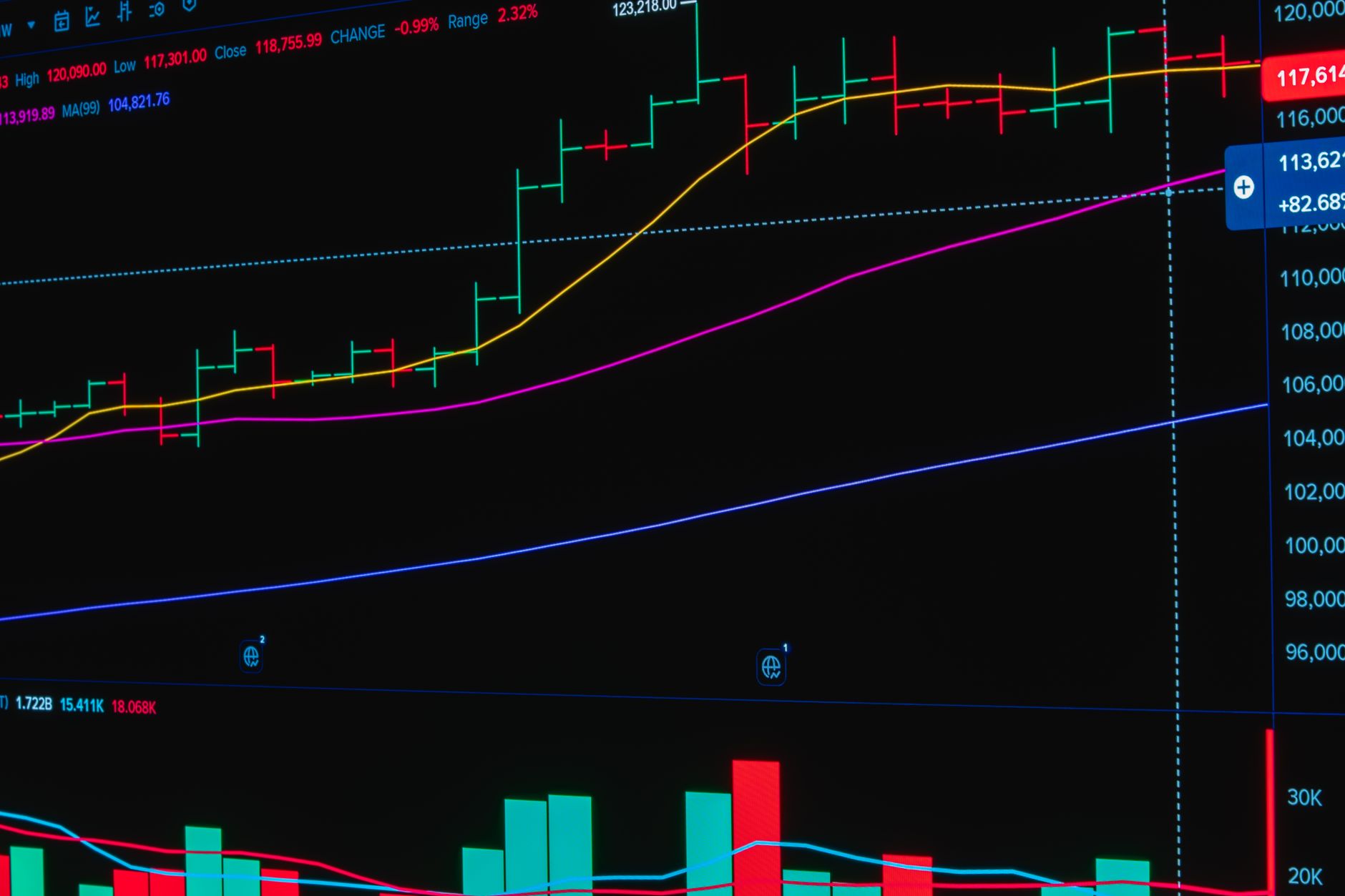
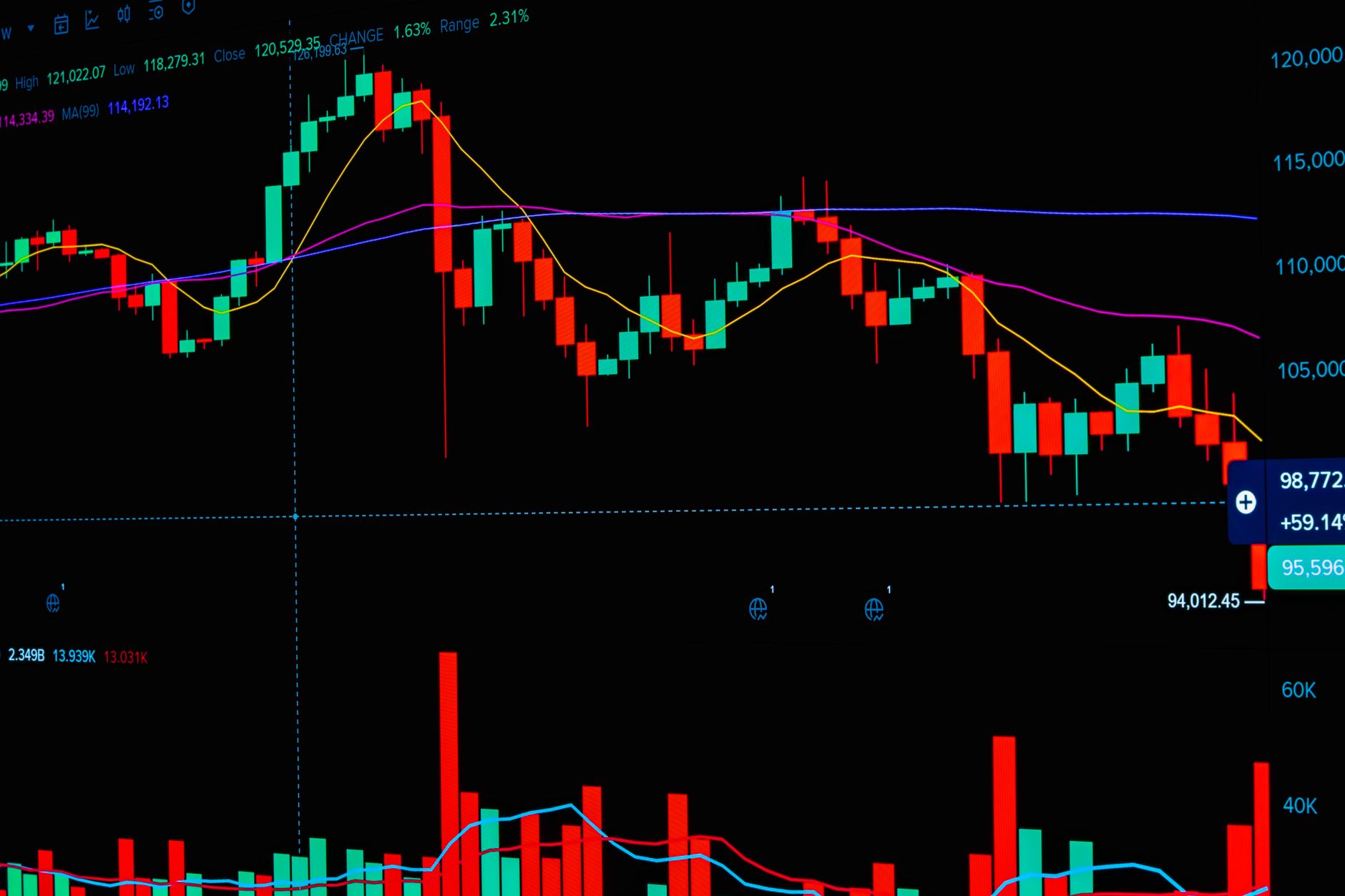
Bitcoin’s decline from its October peak of over $126,000 has triggered skepticism in the cryptocurrency market, as it has lost nearly half its value. Despite recent selloffs, long-term investors seem to be holding their positions. The market is experiencing distinct dynamics, with strategic investors remaining while short-term traders exit.

November Wholesale Inflation Cools Amid Strong Consumer Spending

In November, wholesale inflation showed signs of cooling, with the Producer Price Index rising 0.2 percent, below expectations. In contrast, retail sales increased by 0.6 percent, reflecting resilient consumer spending. This mixed economic picture highlights persistent inflation at the producer level, raising implications for future monetary policy amid ongoing consumer demand.

Citigroup Q4 Earnings Exceed Expectations Amid Economic Changes

Citigroup’s fourth-quarter results exceeded expectations, with adjusted earnings at $1.81 per share and revenue at $21.0 billion, driven by increased net interest income and lower loan loss provisions. However, reported net income fell 13% due to a Russia-related charge. Despite strong performance, stock declined over 4%, reflecting investor caution.

Managing Concentrated Stock Risk with Exchange Funds

For founders and executives heavily invested in a single stock, diversification is crucial to mitigate risks. Exchange funds offer a solution by pooling stocks from multiple investors, allowing participants to exchange shares for a diverse portfolio after seven years. While beneficial, convincing clients to reduce concentrated positions can be challenging due to emotional attachments.

Trump Urges Microsoft to Lower Electricity Costs for Americans

Former President Donald Trump announced that Microsoft will implement measures to prevent rising electricity costs for U.S. consumers as it expands its data centers for AI. He praised their proactive steps and hinted at more announcements from tech firms to protect consumers. Rising electricity prices are a growing concern amid significant infrastructure expansion.

Anthropic’s Strategy: Doing More with Less in AI

Anthropic, led by Daniela Amodei, challenges Silicon Valley’s trend of pursuing scale in AI by emphasizing resource efficiency and innovative algorithms. While competitors like OpenAI invest heavily in infrastructure, Anthropic focuses on thoughtful deployment and enterprise adoption. Their approach aims to sustain competitiveness amidst rising compute costs in the evolving AI landscape.

Yellen Critiques Investigation into Jerome Powell

Former Federal Reserve Chair Janet Yellen criticized the investigation into her successor Jerome Powell, claiming it jeopardizes the central bank’s independence and could threaten financial stability. She expressed confidence in Powell’s integrity, deeming the inquiry politically motivated. Yellen’s view is echoed by former officials, emphasizing the dangers of politicizing monetary policy.

BlackRock’s 2026 Investment Strategy: AI, Income, Diversification

As 2026 begins, BlackRock emphasizes three investment themes: artificial intelligence, income generation, and diversification. The firm advocates for precise capital allocation due to market concentration risks and evolving interest rates. Jacobs warns against assuming past high returns, urging investors to adopt targeted growth strategies, sustainable income, and diverse portfolios.

Trump’s Premature Job Data Disclosure Raises Concerns

President Trump prematurely disclosed private-sector employment growth data on Truth Social, raising concerns about adherence to federal rules on economic data release. The White House described it as an inadvertent disclosure, emphasizing positive economic trends and contrasting private-sector job growth with government employment declines. This incident highlights the sensitivity of economic statistics.

2023 Holiday Season Retail Performance Insights

Major U.S. retailers reported mixed holiday performances, indicating resilient but not explosive consumer spending. Lululemon raised revenue expectations amid leadership transitions, while Abercrombie adjusted its outlook downward, disappointing investors. American Eagle and Five Below exceeded forecasts, showing strong sales growth. Overall, the retail landscape remains stable amid rising prices and inflation.

Art Market Trends: A Shift in Collector Preferences

The global art market is facing its second year of contraction due to decreased demand for pricey masterpieces and shifting preferences among younger collectors. Sales at major auction houses dropped significantly, with a notable increase in selling activity among wealthy collectors. Despite challenges, optimism remains, particularly among affluent individuals regarding future market trends.

Elon Musk and the Rise of Humanoid Robots in China

Elon Musk’s focus on humanoid robots aims to boost Tesla’s valuation, while Chinese companies like Unitree and UBTech are advancing rapidly in this sector, predicted to dominate the market by 2026. China’s strategic emphasis on robotics addresses labor challenges and positions it competitively against the U.S., despite facing technological hurdles and potential investment bubbles.

Visa’s AI-Powered Transactions Revolutionize Fintech

Visa announced the successful completion of AI-powered transactions in a pilot program following its April product event. The fintech industry is rapidly developing AI tools for consumer transactions. Visa aims for substantial adoption of AI-driven shopping, expanding to Asia and Europe next year, collaborating with over 20 partners on these solutions.

China’s EV Market: Decline and Intense Price Wars Ahead

China’s electric vehicle market shows declining sales as it approaches 2025, with major brands like Tesla and BYD experiencing significant drops. Intense price competition is expected to continue, influencing brand loyalty. As domestic growth slows, manufacturers are expanding internationally. Foreign companies remain competitive, navigating a rapidly changing landscape.

Market volatility trap? Why this income-first strategy may ‘leave a lot on the table’

Nick Ryder, CIO of Kathmere Capital Management, warns that retail investors should avoid defensive trades like dividend stocks and focus on a total-return mindset. He cautions against yield-chasing in fixed income, advocating for understanding risk tolerance first. Despite market uncertainties, he maintains optimism about economic resilience and corporate profitability.

Nike Shares Plummet Amid China Concerns

Nike’s shares fell over 10% in premarket trading following strong earnings overshadowed by a 17% revenue decline in China. Despite North American sales increasing, concerns over elevated tariffs and China’s weak performance persist. CEO Elliott Hill’s turnaround plan aims for growth, yet challenges remain, particularly in the crucial Chinese market.

Classic Car Market Growth Insights for 2026

The classic-car market is thriving, driven by a new generation of collectors and increased online sales, which grew 12% to $2.5 billion in 2025. Generational wealth transfer will introduce many vehicles into the market, while evolving preferences shift focus to modern classics. Economic conditions support continued growth, promising a vibrant future.

Surge in U.S. Space Stocks Driven by Renewed Investor Enthusiasm

U.S. space stocks significantly increased on Monday, fueled by investor enthusiasm and positive developments. Firefly Aerospace jumped 16%, Intuitive Machines 12%, and Rocket Lab 10% following a satellite contract announcement. Speculation around SpaceX’s potential IPO and President Trump’s “space superiority” executive order further enhanced market optimism, alongside newly confirmed NASA leadership.

US Treasury Yields Dip Amid Upcoming Debt Auctions

U.S. Treasury yields decreased on Tuesday as investors anticipated upcoming government debt auctions, which could reveal expectations for inflation and demand. The 10-year note yield fell to about 4.147%, with lighter trading expected due to the Christmas holiday. Significant debt offerings, including a $70 billion auction, are scheduled soon.

Navigating Crypto Volatility in 2025

In 2025, crypto volatility remains pronounced, with Bitcoin’s price fluctuations highlighting risks. Investors are urged to carefully manage crypto exposure, typically limiting it to 1-5% of portfolios. Strategies include diversifying investments, utilizing ETFs, practicing dollar-cost averaging, and working with knowledgeable advisors to mitigate risks while adapting to market dynamics.

November Inflation Data Surprises: What It Means for the Market

The November U.S. consumer price data revealed a surprising decline in inflation, with readings lower than expected. However, the report faced scrutiny due to methodological issues stemming from a government shutdown, leaving economists uncertain about its implications. Concerns centered on housing-related inflation and potential biases affecting the results.

Birkin Handbags Auction Trends: Market Insights

Recent auctions of Birkin bags linked to Jane Birkin reflect extraordinary prices, yet the overall resale market for Hermès bags is declining. Analysis shows a drop in resale premiums, attributed to economic conditions and increased supply. Despite this, Hermès maintains its luxury status, with many bags still reselling above retail prices.

Japanese Tech Shares Plummet Amid AI Investment Concerns

Japanese technology shares fell sharply on Thursday, driven by investor concerns over AI infrastructure investment. SoftBank Group Corp. experienced a significant decline, reflective of broader market anxiety following weak U.S. tech performance. Other tech firms also suffered, highlighting Japan’s sensitivity to shifts in global tech demand and investment expectations.

Coinbase Expands into Mainstream Finance: The Future of Trading

Coinbase aims to transform from a crypto exchange into a comprehensive financial platform, offering diverse products like stocks and prediction markets. CEO Brian Armstrong envisions an integrated trading experience with tokenization strategies for traditional assets. This shift targets user engagement and aims to position Coinbase as a key player in modern finance.

Investing Beyond Tech: Ron Baron’s Top Picks for 2025

In 2025, billionaire investor Ron Baron encourages diversification beyond popular tech stocks, noting opportunities in sectors like finance. He highlights MSCI and FactSet as undervalued companies with strong potential driven by capable leadership. Baron emphasizes identifying quality businesses led by exceptional individuals, advocating for strategic investments in overlooked markets.

Understanding Trump Accounts: A New Savings Opportunity for Families

The White House announced details for “Trump accounts,” designed to promote long-term savings for children, supported by donations from Ray Dalio and Michael Dell. These accounts, starting mid-2026, aim to narrow wealth disparities. They will offer government seed money and investment in low-cost index funds, with potential widespread benefit for children in low-income ZIP codes.

November CPI Release: What to Expect Post-Government Shutdown

Wall Street is closely watching the upcoming November Consumer Price Index report, the first inflation data since the U.S. government shutdown. Economists anticipate a 3.1% year-over-year inflation rate, but caution arises due to incomplete data. Mixed economic signals challenge clarity, and the report may influence market expectations for monetary policy in 2026.

Micron Surpasses Earnings Expectations Amid AI Demand

Micron Technology reported strong first-quarter results exceeding expectations, with earnings per share at $4.78 and revenue of $13.64 billion. Projecting approximately $18.70 billion in revenue for the current quarter, the company attributes growth to rising AI infrastructure demand. Micron’s stock has surged 168% in 2025, reflecting its key role in the semiconductor industry.

Walmart Dynasty: The Wealth of the Walton Family Explained

Walmart’s significant stock price rise has notably increased the Walton family’s wealth, making them the richest family in the U.S. Despite no direct managerial roles, they control a significant portion of shares. The family’s investment strategy focuses on sustainability and philanthropy, reflecting a generational shift towards purpose-driven financial management.

Investor Concerns Mount Over AI Infrastructure Stocks

U.S. equity markets are volatile as investors reduce exposure to AI infrastructure stocks due to concerns over rising debts from data center expansions. Oracle, Broadcom, and CoreWeave faced declines while broader indices remained resilient. Meanwhile, geopolitical developments and consumer spending pressures suggest a cautious but stable market environment ahead of the holiday season.

PayPal Bank: A New Era for Small Business Loans

PayPal has applied to create PayPal Bank, aiming to directly offer loans to small businesses, pending regulatory approval. This move enhances its financial services, allowing for interest-bearing savings accounts and improved support for entrepreneurs. The bank aims to strengthen PayPal’s competitive position in the fintech sector, addressing investor concerns about growth.

Goolsbee’s Dissent on Federal Reserve Rate Cut Explained

Chicago Fed President Austan Goolsbee opposed the recent interest rate cut, suggesting policymakers should wait for clearer economic indicators. He believes future rates could lower but expressed concern over inflation remaining above the target. Goolsbee emphasized caution in rate decisions, citing stable employment and persistent inflation risks as key factors for his dissent.

Baron Capital Launches 5 New ETFs: A Strategic Investment Shift

Baron Capital has launched five actively managed ETFs, reflecting a shift towards broader investor preferences. The ETFs leverage the firm’s proven investment strategies, focusing on long-term growth areas like SpaceX and AI. With a history of outperforming benchmarks, Baron aims to attract new investors while adapting to an evolving asset management landscape.

The Appetizer Economy: A Shift in Dining Trends

Consumers are adjusting dining habits, favoring smaller, cheaper appetizers over full-priced entrees due to economic concerns. Appetizer orders have surged by 20%, with items like mozzarella sticks leading growth. This shift mirrors broader trends in grocery shopping, where private-label brands gain traction as consumers seek cost-effective solutions amidst rising food prices.

Broadcom’s Earnings Surpass Expectations Amid AI Stock Selloff

Broadcom reported strong quarterly earnings and guidance, surpassing Wall Street expectations. However, its stock plummeted 11 percent, reflecting a broader market retreat from AI-related stocks. Other companies like Oracle and Nvidia also faced losses, signaling investor concerns about AI valuations and profitability, despite Broadcom’s solid performance and significant future order backlog.

Unlocking Alternative Investments: Insights from Delivering Alpha

At CNBC’s investor summit, key leaders discussed the shrinking pool of publicly traded companies and the shift towards alternative investments. They emphasized the importance of understanding public market trends, the challenges of the IPO process, and the need for retail investors to access diverse assets responsibly while managing risks and enhancing portfolio diversification.

Federal Reserve Rate Cut: Key Insights for Investors

The Federal Reserve’s recent quarter-point rate cut to 3.5%-3.75% was accompanied by mixed views among policymakers. Investors reacted positively due to the Fed’s decision to purchase $40 billion in Treasury bills, enhancing liquidity. Meanwhile, President Trump’s critical comments on European leaders heightened geopolitical tensions. Economic growth projections also improved, signaling market optimism.